In my artistic research, I combine critical inquiry with creative practice to explore complex cultural and technological transformations. By bringing together analysis and artistic experimentation, I investigate how emerging technologies reshape perception, visual culture, and contemporary experience. My work examines how digital tools, platforms, and infrastructures influence artistic expression, aesthetic forms, and the ways images are produced, circulated, and perceived.
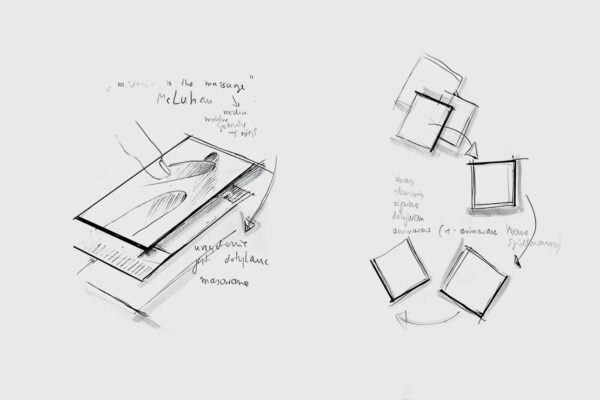
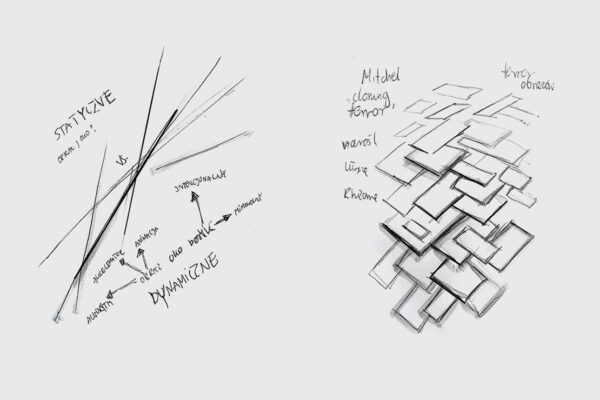
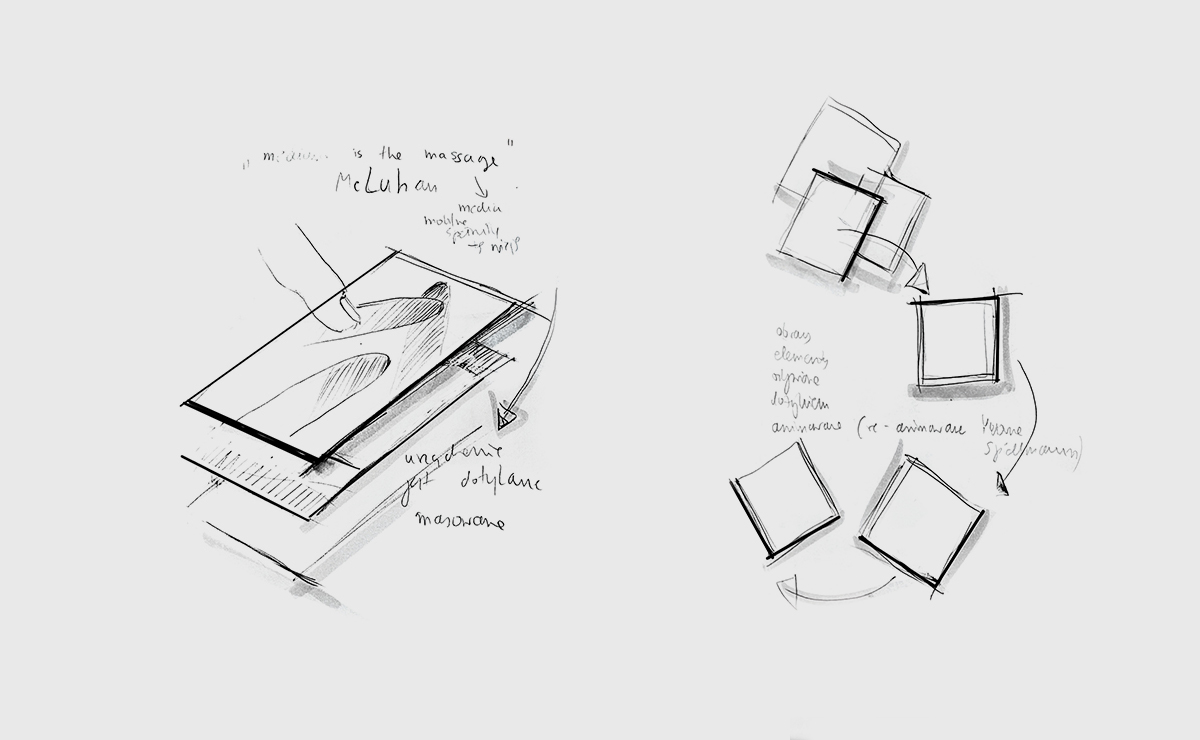
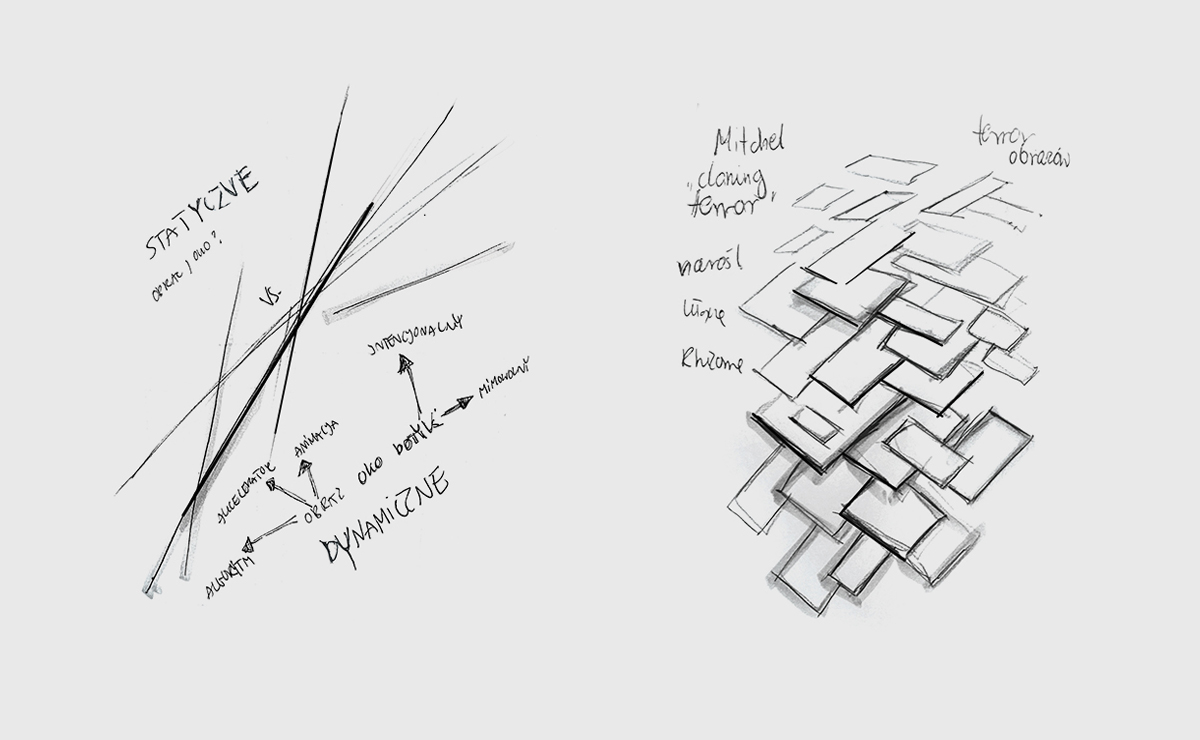
I am particularly interested in the impact of mobile media, generative artificial intelligence, extended reality (AR/VR), algorithmic aesthetics, and digital interactivity on contemporary visual culture. My projects often address adaptation, fragmentation, ephemerality, and sensory overload as defining conditions of technologically mediated environments.
I also engage with broader socio-technological questions, including technocolonialism, the digital divide, algorithmic opacity, and the ecological cost of computation. I approach technology not as a neutral tool, but as a dynamic and unstable system that shapes both artistic form and lived experience. Drawing on medium theory, medium specificity, and cybernetic thought, I examine how digital infrastructures affect visual language, cultural practices, and human perception.
My artistic research moves between conceptual reflection, qualitative inquiry, and experimental form. I treat art not only as a mode of expression, but also as a method of investigation: a way of making technological conditions visible, perceptible, and critically graspable.